Sunday, November 04, 2007

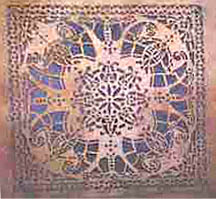
ITAJIME FROM THE STUDIO OF HIROSHI ISHIZUKA

A stack of carved blocks made with mirror imaging is used to resist the dye. The fabric is laid between the blocks, then the blocks are tightly compressed to keep out the dye. The dye flows between the channels and in the holes making complex patterns.


Thursday, October 25, 2007

ITAJIME OR CLAMP RESIST DYEING


Itajime, jammed dyeing, clamp resist dyeing, or woodblock dyeing is a mechanical resist that consists of two carefully carved, mirror imaged pieces of wood that are clamped on either side of pleated or folded fabric. Itajime is also called kyokechi. Ita means wood board, and jime means sandwich and tighten. This technique blocks the dye from reaching the cloth resulting in complex patterns.

It is a dyeing technique similar to that used in the Nara period to make kyokechi resist dyed textiles. This
involves clamping yarns or lengths of fabric between wooden boards, usually used in groups of 10-20, that have been carved with decorative designs. Holes and channels are made in the wood that allow the dye to penetrate the yarn or fabric.


17th C. Silk, Itajime, provenance uncertain, from Persia or India.


It is
said that the sister of Liu Jieshu in the reign of Emperor Xuanzong in the Tang dynasty, 712-756AD, invented the method, which was very popular in the Tang and Song dynasties and was used for tanka covers in the Ming and Qing dynasties.

There are several good examples of kyokechi in the Shōsōin treasure house
, Nara, Japan


Itajime block from Japan


Patterned wooden block from Japan. The pattern is made to replicate kanoko shibori.

Saturday, October 06, 2007

LUI DA PAO: Shibori With Running and Overcast Stitches

絞纈 "jiao-xie" is the ancient name of Chinese tie dye. Today it is also known as "zha ran". The most popular name is in Japanese, "shibori" 絞り染め.


The dancers are sewn with
running stitches that are
pulled tightly.


The rams and figures are made
with running stitches and the butterfly fold.


The monkeys are sewn with running stitches.


This shibori textile is based on Picasso's painting "Guernica". Both the running stitch and the butterfly fold are used.


Tuesday, September 18, 2007

LUI DA PAO: Shibori- Stitching Chinese Butterfly


LUI DA PAO is an indigo dyer from Fenghuang, in West Hunan Provence, China. He specializes in the various forms of tie dye, stencil printing, and batik. In this video he demonstrates the shibori technique of the Chinese butterfly.


Have patience with the video it takes a minute to load.  Thanks

Tuesday, January 16, 2007

SGRAFFITO IN INDIGIO

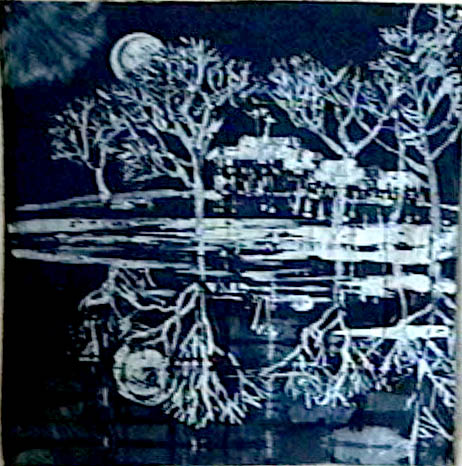
Drawing with sgraffito into the rice paste creates a fluid line when dyed has many variations of blue. Painting the fabric with dye beforehand can create even more color changes.


Alisa Fritz, figure drawing
using sgraffito on
partially dyed fabric
using Sabracron F fiber
reactive dyes before
dyeing in indigo.


Saturday, December 23, 2006

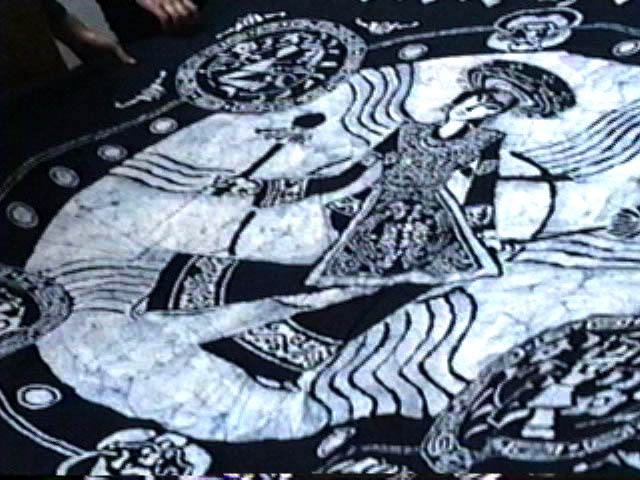
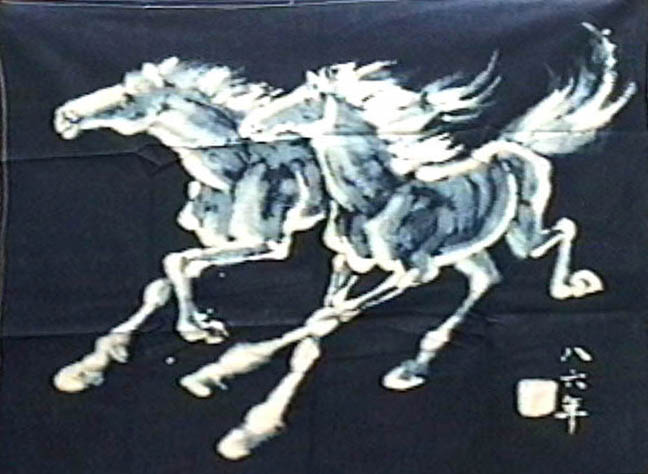
LIU DA PAO'S BATIK FABRIC


Sunday, December 03, 2006

LIU DA PAO'S STENCILED FABRIC

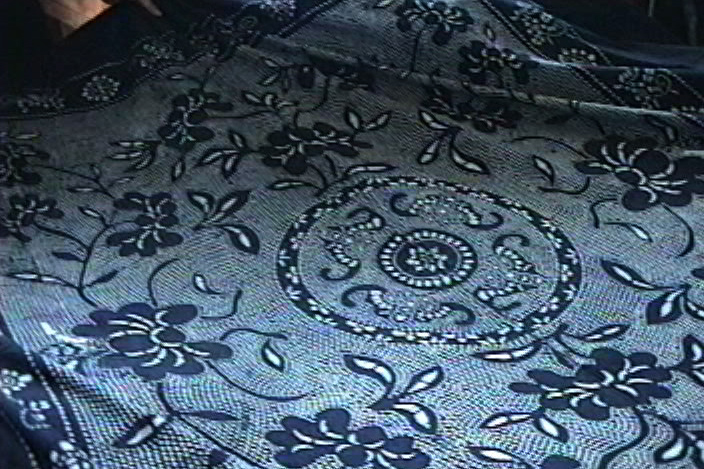
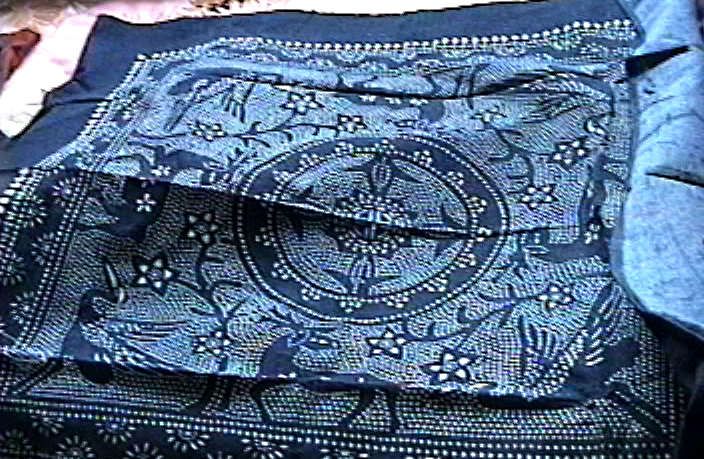
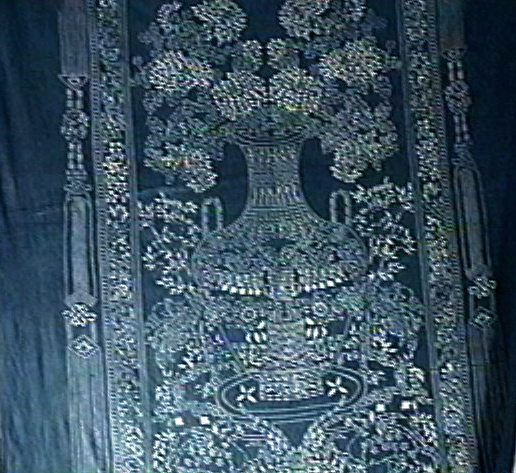
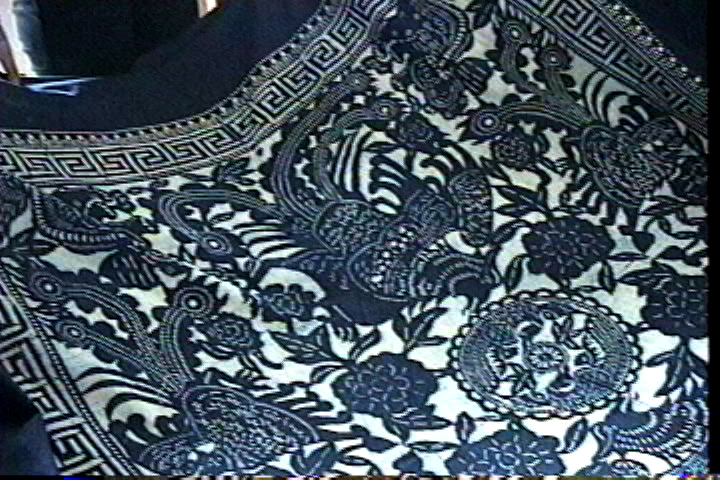
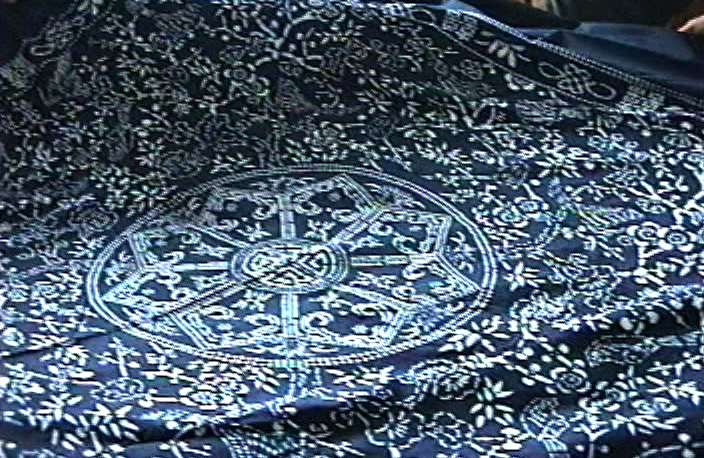
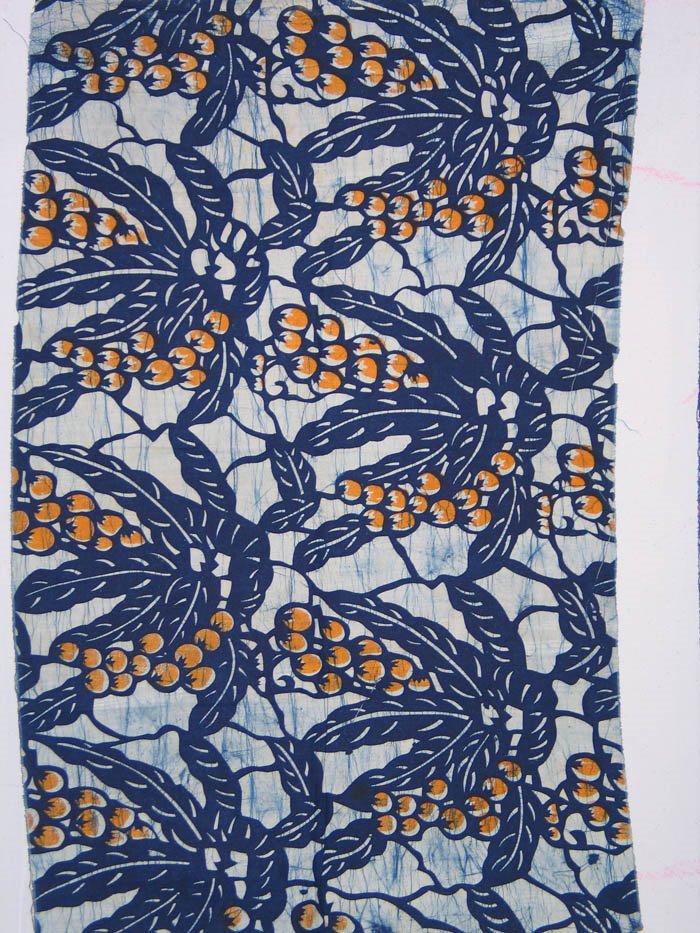
LIU DA PAO'S stencilled tablecloths, wall hangings, cushion covers and quilts. They are all dyed in synthetic indigo using a soy flour and lime mixture. See the QuickTime video from November 16th, 2006


Thursday, November 16, 2006

LUI DA PAO


Formats available: Quicktime (.mov)
LUI DA PAO is an indigo dyer, stencil printer, shibori and batik artist from Fenghuang, in West Hunan Provence, China.

THE STENCIL


His paste ingredients are soy flour, lime and water. This paste is very gritty and not at all similar to Japanese rice paste. As a result Chinese stencils must be cut with larger openings to allow the less plastic paste to be deposited. Japanese rice paste is very elastic so the stencils are very fine. In the summer, after mixing, the paste can be used right away. In cold weather it should sit for a day before being used.

The stencils are made with paper soaked in tung oil. Tung oil comes from the seeds from a deciduous shade tree native to China. The seeds are rich in unsaturated oils.

Lui Da Pao uses natural indigo.


Wednesday, November 01, 2006

LANCAO-INDIGO FROM GUIZHOU

These fabrics come from Guizhou Provence in China.
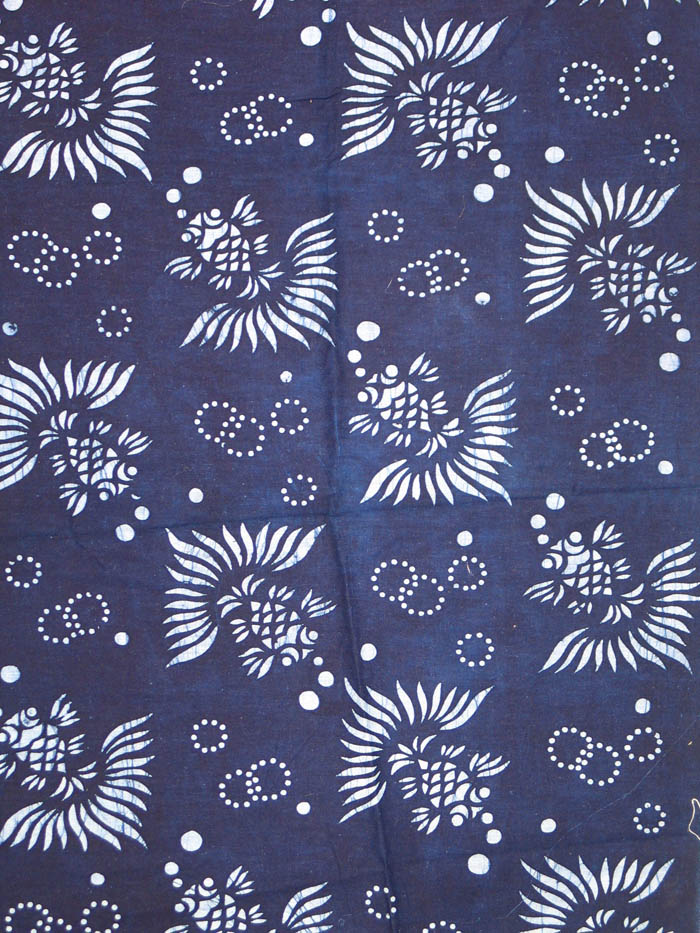
They are dyed in indigo with a wax resist.
The wax on the cloth often cracks after it hardens. When it is dyed, the dyes seep into the cracks and make fine lines, which are called "ice veins".


These fabrics also come from Guizhou Provence in China. The patterns were made with a paper stencil soaked in tung oil to make it water resistant. The stencil is used with starch resist made from soy flour and lime to make the design


Friday, October 13, 2006

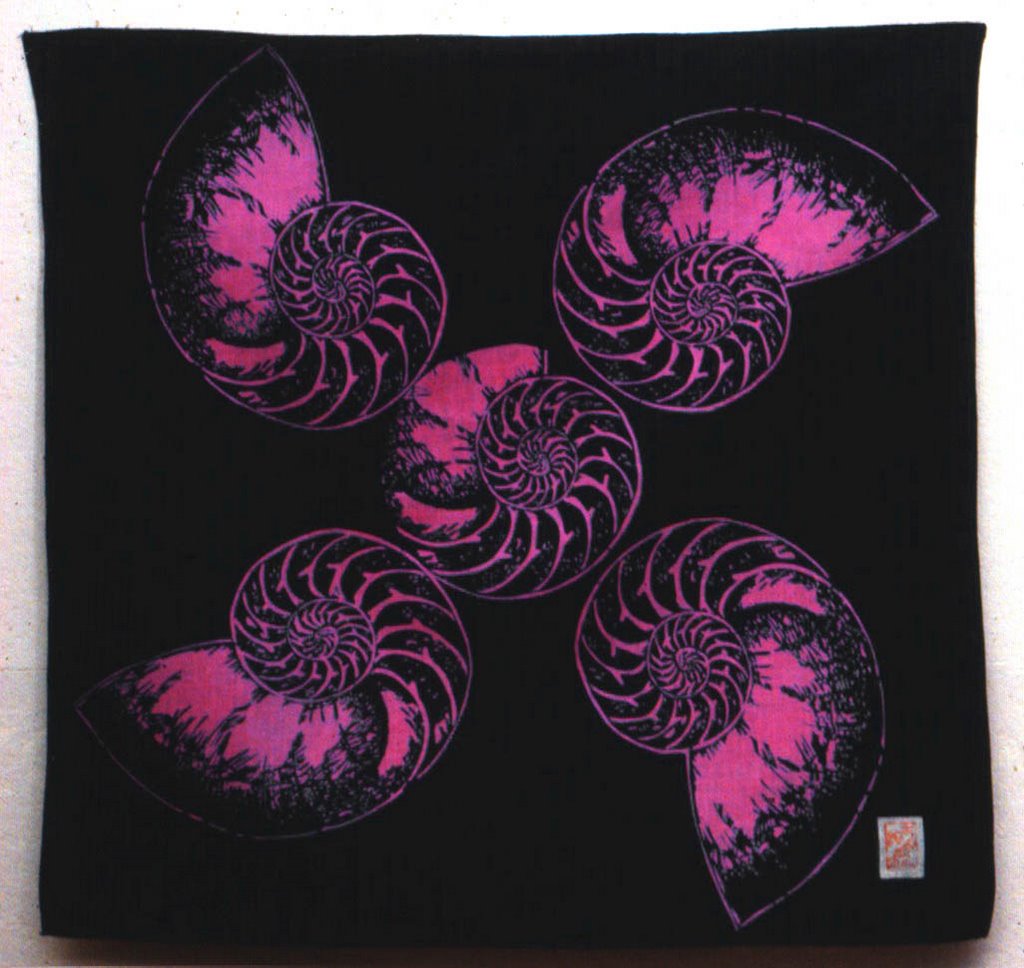
FUROSHIKI WITH KATAZOME IMAGES

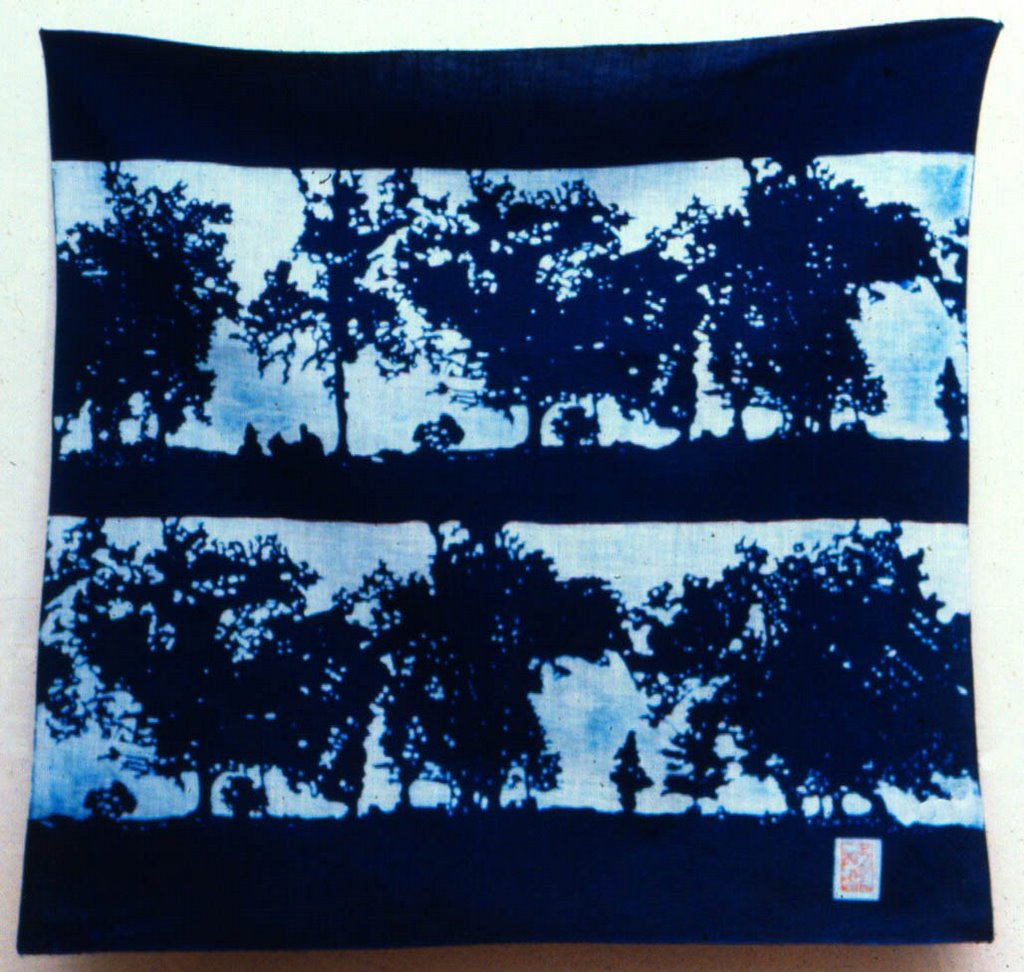
Katazome (stencil printing using rice paste resist) using indigo with Sabracron H fiber reactive dyes. Sabracron dyes are Cibracron dyes repackaged by Pro-Chemical and Dye (1.800.2-BUY-DYE). I have been using Sabracron F for about about 25 years.

Sabracron F is designed to permanently dye cellulose fibers; plant-based fibers like cotton, linen, ramie, hemp, viscose rayon, jute, paper, wood, basket reed, and even silk using warm water, 105° to 120° F (41° to 49° C). It also dyes protein fibers, wool and silk using acid at a boil or with steam. Slightly less reactive than Pro Mix Reactive Dyes and very versatile with excellent wash and light fastness properties. This dye can be used for immersion as well as direct dye application. Colors range from pastel to very vibrant colors. These dyes can be kept in solution (without fixative) for two weeks at room temperature


Saturday, September 30, 2006

DYEING THE FUROSHIKI WITH INDIGO

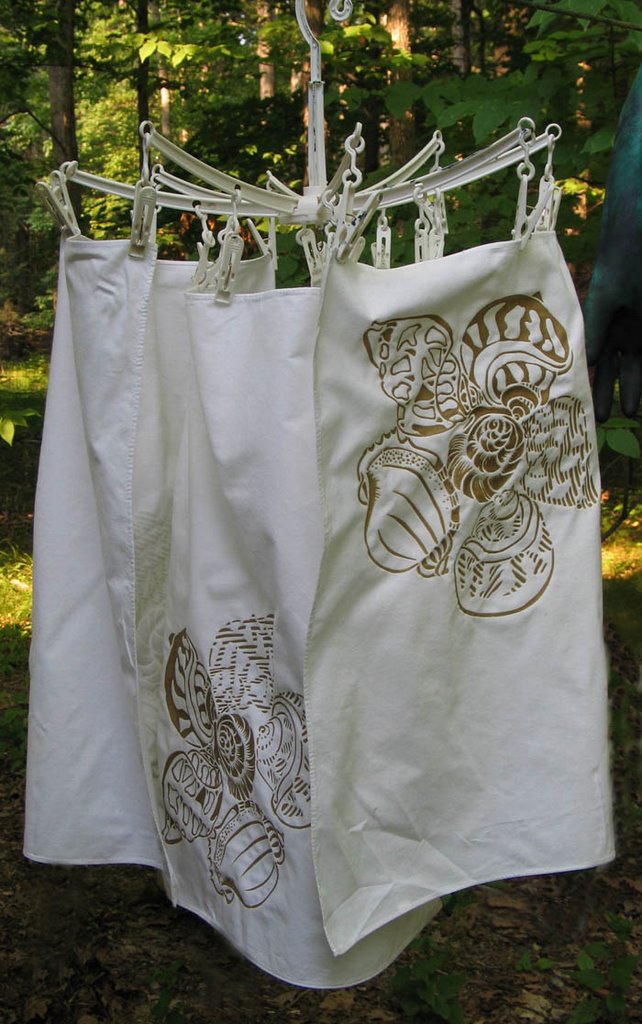
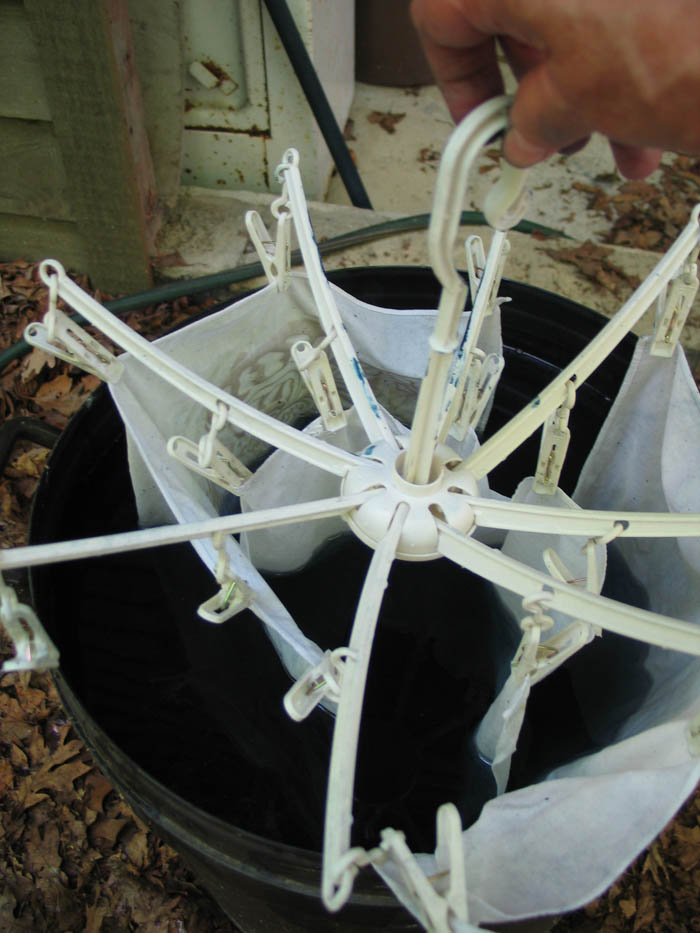
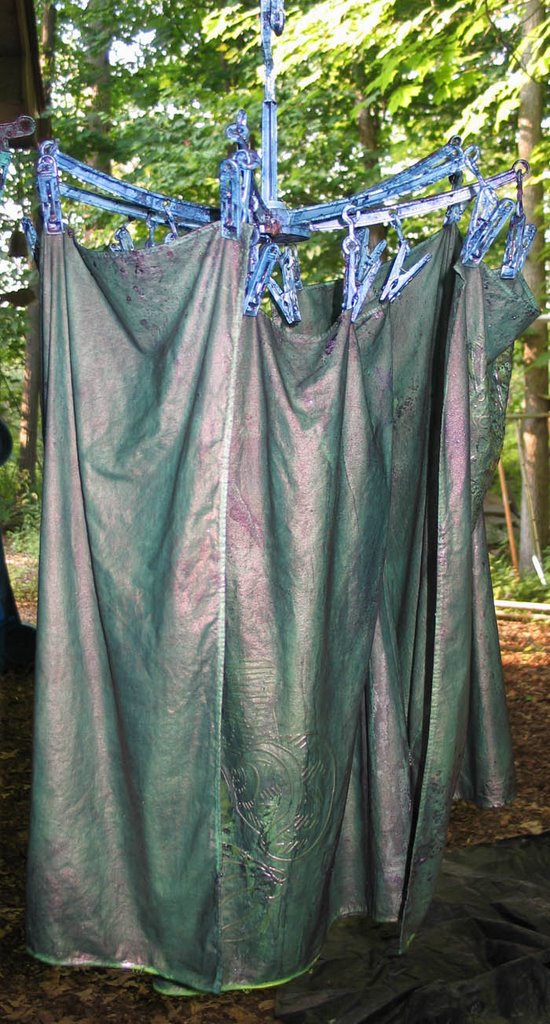
Stenciled fabric on the rack. This drying rack is able to hold 3 pieces of 20" fabric or one long piece without touching the rice paste.


Into the indigo.


.


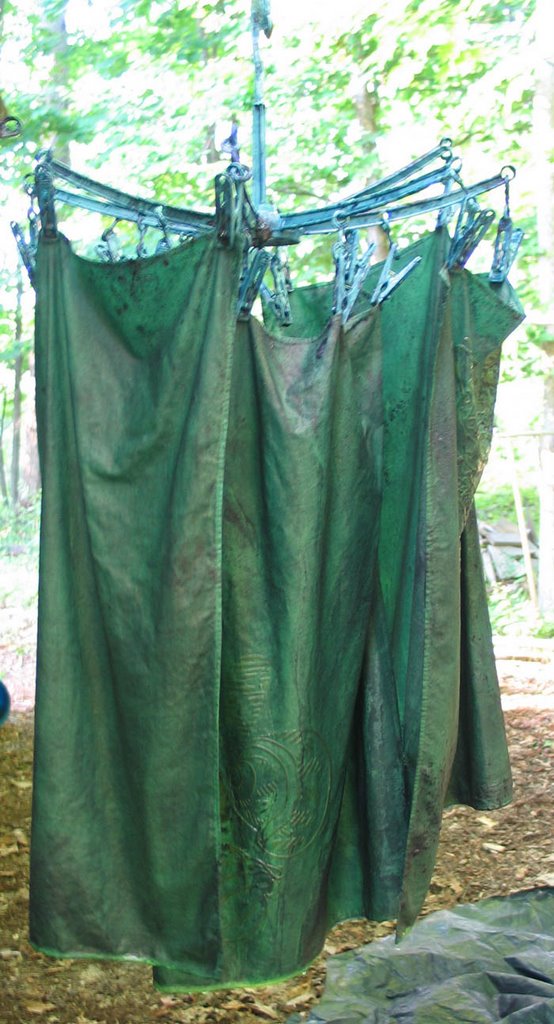
After removing the fabric from the indigo it will be green.


The fabric will slowly turn blue


Detail of the rice paste


The fabric with the rice paste can be dipped up to 4 times before the paste begins to disintegrate. Ideally the fabric should oxidize for one day or longer between dips to get the best color.


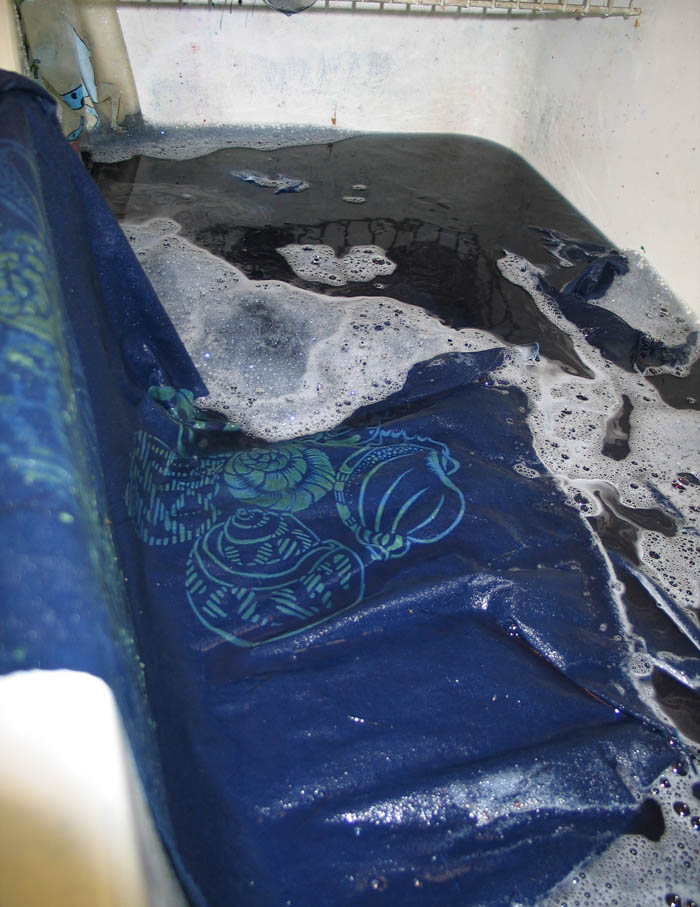
Rinsing the indigo and softening up the rice paste.


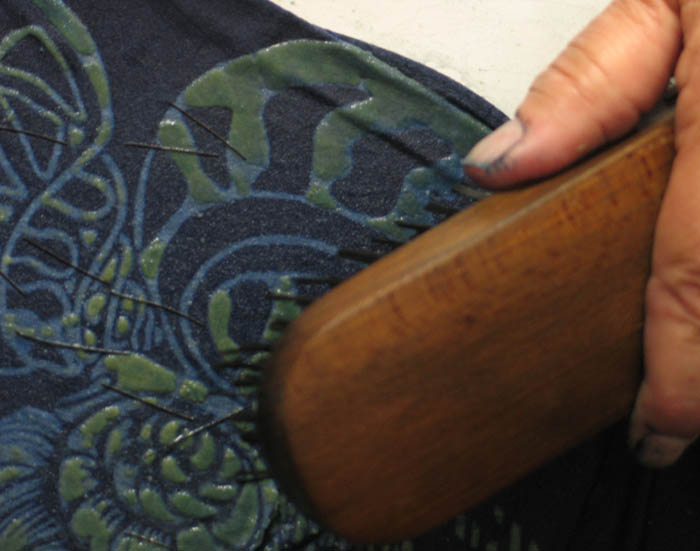
Brushing off and removing the rice paste


Finished furoshiki